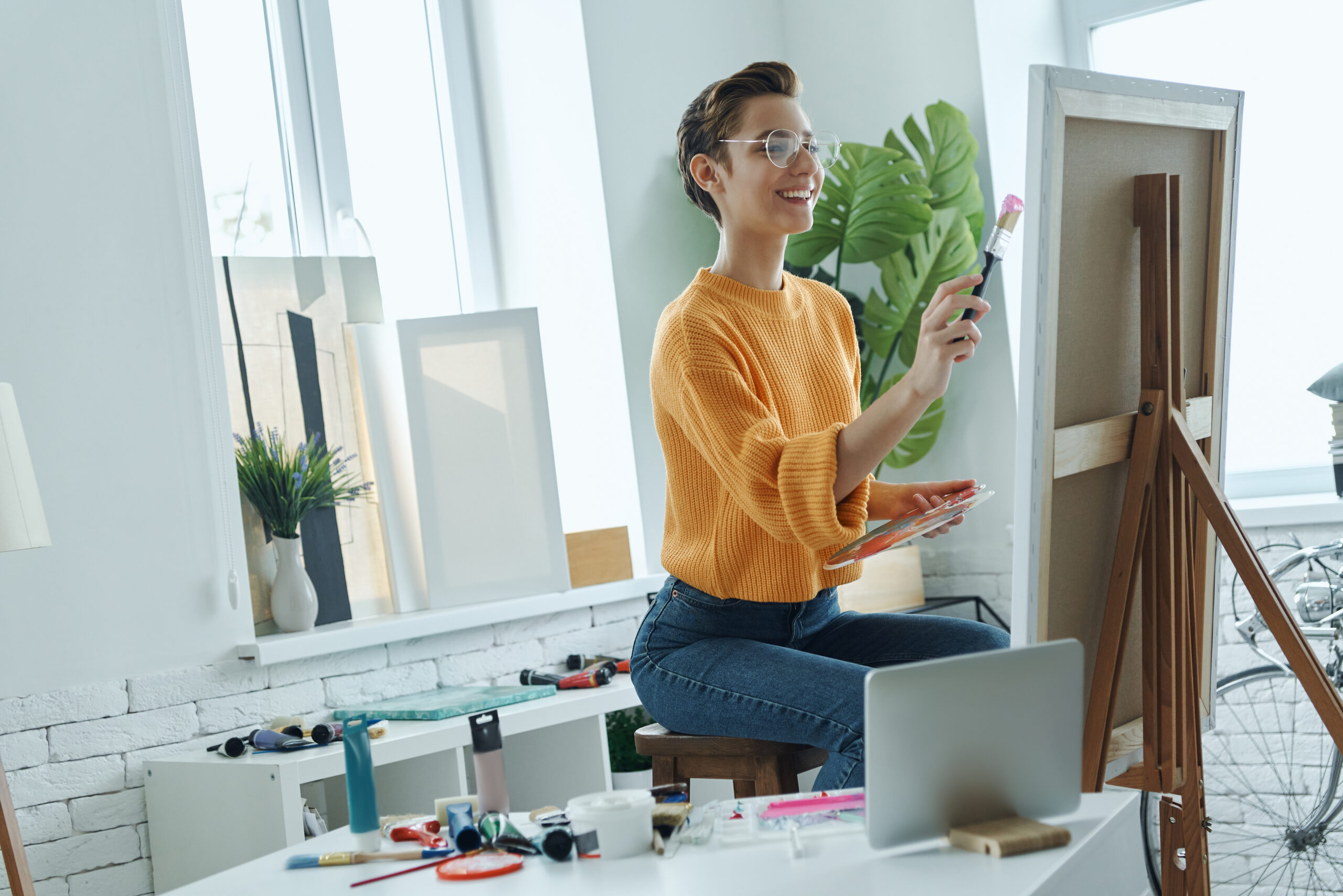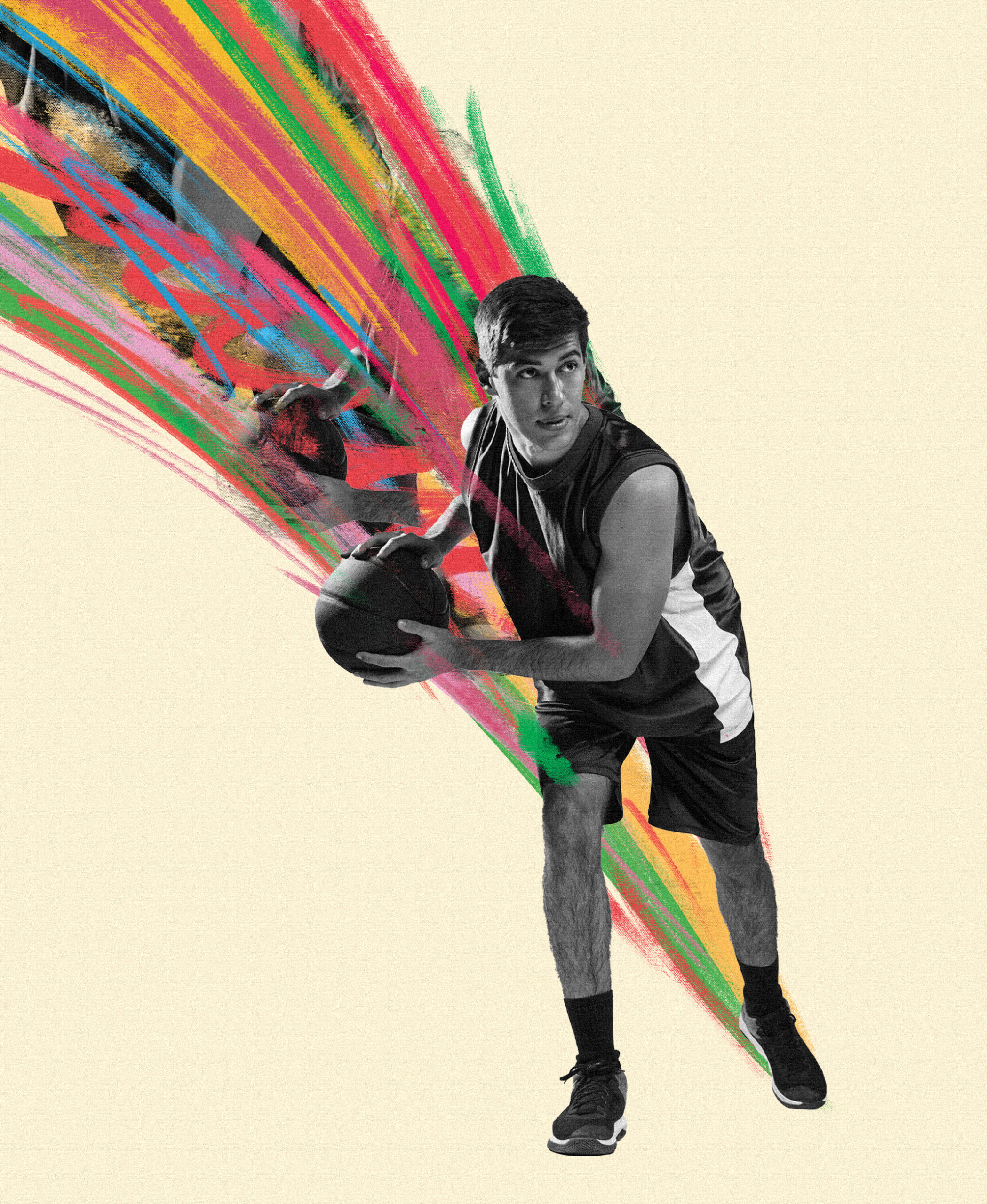
The Art of Collage: Digital & Physical Projects is a creative and versatile art form that blends different elements to create unique, expressive works of art. Whether you’re working with scissors and glue or digital tools, collage allows you to explore the boundaries between media, ideas, and emotions. Here’s an exploration of both digital and physical collage-making, and how each offers its own set of creative possibilities.
1. What is Collage?
At its core, collage is the technique of assembling various materials—like paper, fabric, photos, and other objects—onto a single surface to create an artwork. This technique is rooted in the desire to break traditional art boundaries and bring different textures, images, and perspectives together. It can express anything from personal emotions to political statements and everything in between.
2. Physical Collage: Crafting with Hands
Physical collage projects are the traditional approach and often feel more personal due to the tactile involvement. Artists use a variety of materials to create texture, layering, and depth in their collages. Here are some common steps and tips to get started:
- Materials: You can use old magazines, newspapers, fabric scraps, photographs, postcards, and even found objects like buttons or leaves. The beauty of physical collage lies in its flexibility—almost anything can be used to create your vision.
- Tools: A good pair of scissors, craft knife, cutting mat, glue stick, or Mod Podge are essential. For a more 3D effect, consider using foam pads to create layers of depth.
- Composition: Start by choosing a theme or subject for your collage. Once you’ve gathered your materials, start by arranging your pieces on the surface without gluing them. Experiment with layers, colors, and textures until you find a composition that resonates with you.
- Textures and Layers: Playing with different textures can add depth and interest to your artwork. For example, torn edges can create a rough, organic feel, while smooth cutouts offer a more structured and clean aesthetic.
- Final Touches: After gluing the pieces, add finishing details like hand-drawn elements, stamps, or small embellishments to complete your work.
3. Digital Collage: Embracing Technology
With the rise of digital tools, collage has moved into the digital realm, offering new possibilities and creative flexibility. Digital collage projects allow artists to cut, paste, and manipulate images on their computer or tablet. Here’s how you can dive into digital collage-making:
- Software & Apps: Programs like Adobe Photoshop, Illustrator, or free apps like Canva and GIMP provide all the tools you need to cut, combine, and manipulate images. These tools give you greater control over your composition, with the ability to resize, rotate, and layer images digitally.
- Sources of Inspiration: Start with a collection of digital images, illustrations, or even textures that fit your theme. The internet is a rich resource for free-to-use photos, but be sure to respect copyright and licensing rules.
- Layering and Blending: Digital tools allow you to manipulate layers in ways that physical collages simply can’t. Use blending modes, opacity adjustments, and layer masks to create smooth transitions or striking contrasts between elements. The ability to work non-destructively means you can experiment with no fear of ruining your project.
- Effects and Filters: Digital collages also allow for the easy addition of effects, like photo filters, color adjustments, or even 3D elements, which can push your collage into new realms of creativity. For example, you might transform an image with a glitch effect, add motion blur for a dynamic feel, or alter colors to create a surreal aesthetic.
- Printing Digital Collages: Once you’ve finished your digital collage, you can print it out to display physically, or use it for digital projects like websites, social media, or album covers.
4. Combining Digital and Physical Collage
One of the most exciting possibilities in modern collage is mixing both digital and physical elements. This hybrid approach can create truly unique artworks that blend the tactile quality of physical collage with the precision and flexibility of digital tools.
- Start Physical, Then Digitize: Begin by creating a traditional physical collage, scanning it, and then using digital software to enhance or add digital elements. You could adjust colors, add text, or layer in additional images, creating a striking fusion of the handmade and digital worlds.
- Print Digital, Then Alter: Alternatively, you can print a digital collage and add hand-drawn details, paint, or other physical materials. This creates a mixed-media effect that adds texture and dimension to your final piece.
- Interactive Collages: Digital tools can also allow you to create interactive collages, such as digital collages for websites, social media platforms, or presentations that users can click on or scroll through for more layers of meaning.
5. Creative Themes for Collage Projects
Collage art can serve as a personal reflection, a social commentary, or simply a creative exercise. Some themes you could explore include:
- Self-Expression: Use collages to express emotions, thoughts, or aspects of your identity. Combine personal photographs, words, and abstract elements to communicate who you are.
- Social Commentary: Many collages throughout history have been used to comment on political or societal issues. You can create a powerful piece by layering images, headlines, and symbols to highlight key issues that matter to you.
- Surrealism: Combine unexpected elements to create surreal or dreamlike collages that challenge reality. This is where both physical and digital techniques can work together to create whimsical, fantastical scenes.
- Nature and the Environment: Incorporating natural elements like leaves, flowers, or fabric textures with images of the environment can create visually rich collages that evoke a sense of beauty and connection with nature.
- Abstract Expression: Collage is also a great medium for abstract art, using shapes, colors, and textures to evoke emotions or energy without any recognizable form.
6. Tips and Inspiration
- Experiment: Don’t be afraid to break the rules or step outside of your comfort zone. Collage is about discovering new ways of combining elements to create something completely new.
- Look at Master Collagists: Study works by renowned artists such as Pablo Picasso, Hannah Höch, or Romare Bearden to get inspired and learn how they used collage to challenge conventional art forms.
- Keep a Scrapbook: Start a collection of interesting images, textures, and materials that catch your eye. This will become your personal collage stash to use in future projects.
Conclusion
Whether you’re working with scissors and glue or digital software, collage is an art form that allows for endless creativity and experimentation. Both physical and digital collages offer unique opportunities to express ideas, emotions, and personal stories. By combining different materials, images, and techniques, you can create something truly original that resonates with you and others. So, gather your materials, explore your creativity, and dive into the wonderful world of collage art!